
Inactive Subscribers: Leave Them Out of Black Friday
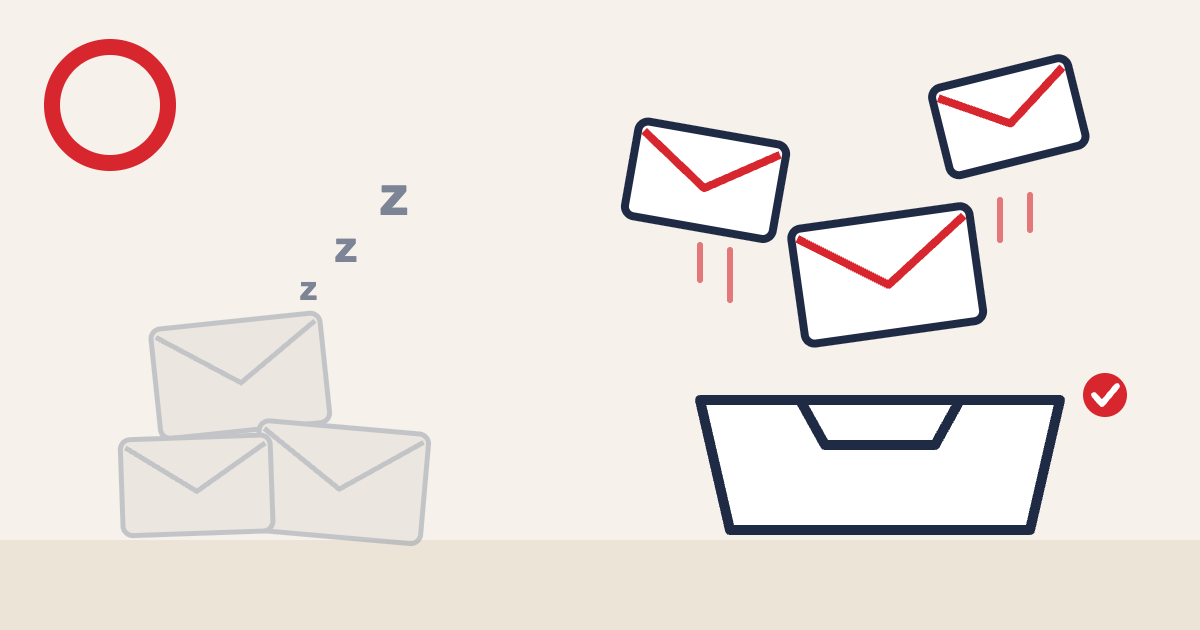
It’s Black Friday week. The offer’s signed off, the creative looks great and someone in the meeting says it: “Let’s send it to everyone. The whole list. Even the ones we haven’t heard from since 2023.” It feels like free money. It usually isn’t.
Mailing your inactive subscribers in your busiest week is one of the quickest ways to drag your best customers into the junk folder with them. Send your Black Friday emails to people who’ve clicked, booked or bought recently. Leave the sleepers out this week, and deal with them properly in January.
Why inactive subscribers hurt everyone else on your list
Gmail and Outlook don’t judge each email on its own. They judge you, the sender, on how people react to your mail over time.
Think of the doorman at a busy pub on a Friday night. He remembers who caused trouble last time. When lots of your emails are ignored, deleted unread or marked as spam, the doorman remembers that too. Next time he’s slower to let any of your emails in, including the ones going to your most loyal customers.
And the sleepers are rarely a small group. The DMA’s UK Email Benchmarking Report 2026 (UK data, analysed by Validity) found the inactive part of a list is often up to half of it. The same analysis put average UK inbox placement at around 91%, down more than two points year on year. So roughly one in every eleven legitimate marketing emails in the UK already misses the inbox. You don’t want to add to that in your biggest week.
The spam complaint line you can’t cross
Google’s own sender guidelines tell senders to keep their spam rate in Postmaster Tools below 0.1% and never to reach 0.3%. That’s one complaint for every 1,000 emails delivered.
Who presses the spam button most? People who’ve forgotten they ever signed up. A cheery “BLACK FRIDAY: 40% OFF” from a brand they last bought from three years ago looks a lot like junk to them, so that’s where they send it.
Outlook is a bigger slice than you’d think
Microsoft’s mailboxes (Outlook, Hotmail and Live) make up around 30% of UK inboxes, according to the same DMA and Validity analysis. If Microsoft starts filtering you, that’s nearly a third of your list gone quiet in one go. Filter your list for hotmail, outlook and live addresses and compare their click rates with your Gmail subscribers. A big gap is an early warning.
Who counts as an inactive subscriber?
There’s no single rule. But don’t use opens to decide. Apple Mail Privacy Protection loads emails automatically, so plenty of people look “active” when they haven’t read a word from you in a year.
Use signals a real person has to create instead:
- Clicks: anyone who’s clicked a link in one of your emails recently.
- Purchases or bookings: online or in store, if your systems can connect the two.
- Website visits or logins: if your email platform tracks them.
- New sign-ups: anyone who joined in the last 30 days counts as engaged, even if they haven’t clicked yet.
Anyone with none of these in your chosen window goes in the inactive group. A retailer that emails every week might use six months. A hotel or holiday cottage business that emails monthly could reasonably stretch that to 12 months, because people only book a break once or twice a year.
How to send Black Friday emails without the sleepers
- Build your engaged segment first. Recent clickers, buyers and new sign-ups. This group gets every peak-season send.
- Mail your best people first. Ometria’s Black Friday 2026 deliverability guide suggests sending to engaged contacts first, then waiting at least an hour before mailing less engaged contacts in smaller batches. Early opens and clicks tell the mailbox providers people want your mail.
- Don’t double up overnight. The same guide advises against sending more than double your usual volume. If you normally send one email a week, five in four days is a jump the filters will notice.
- Suppress, don’t delete. Your inactive subscribers stay in your database. You’re simply not mailing them this week.
- Offer a snooze. A “fewer emails until Christmas” link gives people an option that isn’t the spam button.
Don’t bin them yet. Win them back in January
There’s a catch, though. The DMA and Validity analysis also found inactive subscribers can still account for around a quarter of a programme’s revenue once you count things like buying in store or visiting the website without clicking. Cutting everyone off isn’t the answer either.
January is a much better time to deal with them. Your volumes are back to normal and inboxes are quieter. Plan a short win-back series:
- Two or three emails, not ten. Give them a real reason to stay. For a travel or hospitality brand, an early-booking offer for spring works far better than “We miss you”.
- Ask the question outright. “Still want to hear from us?” with a single, obvious button.
- Let the silent ones go. Anyone who doesn’t click during the series stops receiving marketing emails. That’s a sunset policy, and it keeps your sender reputation healthy all year.
We’ve written before about why sender reputation decides your place in the inbox. Your inactive subscribers are where most reputations quietly go wrong.
Your action for today
Open your email platform and build one segment: everyone who hasn’t clicked, booked or bought in the last 12 months. Count it. If it’s more than a third of your list, take that segment off every Black Friday and Cyber Monday send this week.
If the number gives you a fright, talk to us. We’ll help you plan a January win-back that keeps the good ones and quietly lets the rest go.